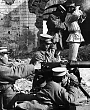
The Arab Revolt was directed against the Muslim Ottoman Empire which had ruled most or the Middle East for centuries. The Revolt also began at the very heart of the Muslim world: in the Hijaz, with its holiest of Muslim cities, Mecca and Medina.
On the 10th of June 1916, Sherif Hussein Ibn Ali, Amir of Mecca and Keeper of the Holy Cities of Islam, Mecca and Medina, pushed a rifle through the window of his house in Mecca and opened fire on the barracks of the Turkish garrison. The 62-year-old Hussein was an Arab prince, not a military leader, but by this symbolic act of defiance, he sign...
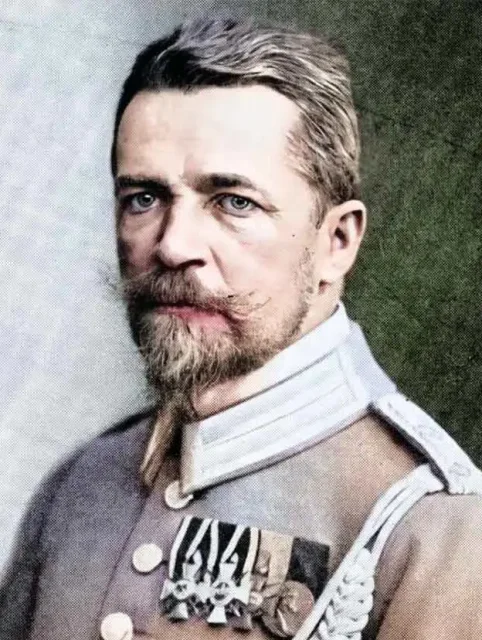
Joachim von Heydebreck was born on October 6, 1861 in Schwedt as the son of Lieutenant General Hennig von Heydebreck (1828-1904) and his wife, Anna von Colmar (1837-1879). He attended the Royal Pedagogy in Putbus and entered military service at nineteen.
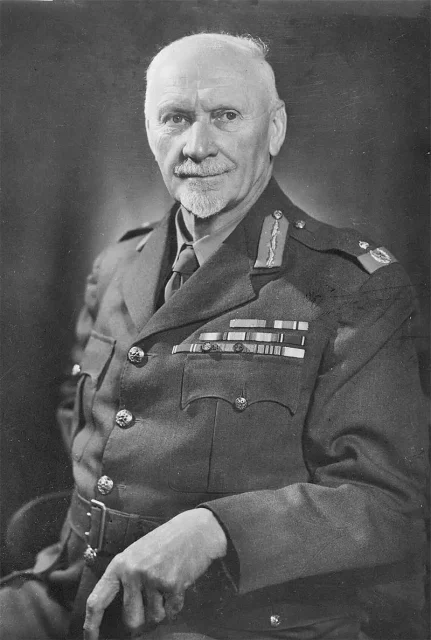
Jan Smuts was born near Riebeeck West (near Malmesbury), Cape Colony on September 24, 1870. The son of a member of the colonial parliament, he was sent to school at 12, and four years later attended Victoria College at Stellenbosch. There he met his future wife Sybella (Isie) Krige. In 1891 he attended Cambridge, where he read for the Bar.
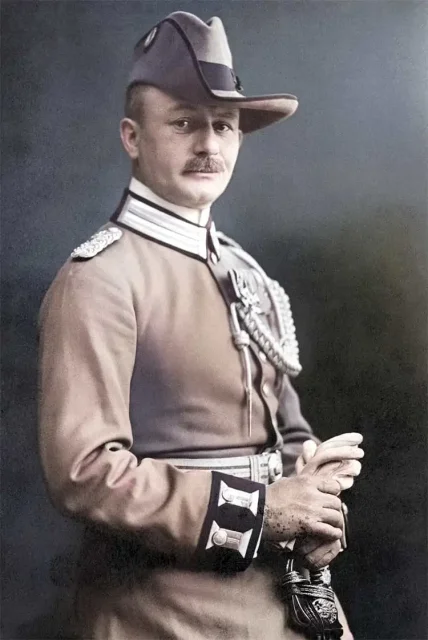
Born in Saarlouis, Paul von Lettow-Vorbeck was the son of a prominent Prussian army officer. Marked from birth for a military career, Lettow-Vorbeck was commissioned as an artillery officer and graduated from the prestigious Kriegsakademie (war academy) in 1899. His promise was early apparent, and he was tapped for service on the General Staff (...
Albanian independence from the Ottoman Empire was finally achieved because of the Balkan Wars, and Albania was recognized as a sovereign and neutral state on 29 July 1913.
When Lieutenant-Colonel Paul von Lettow-Vorbeck stepped ashore in German East Africa in January 1914, nobody guessed that within five years he would not only be feted by his own countrymen for being the last German commander in the field to lie down his arms, but also admired and respected by his British opponents much as Erwin Rommel was to be ...
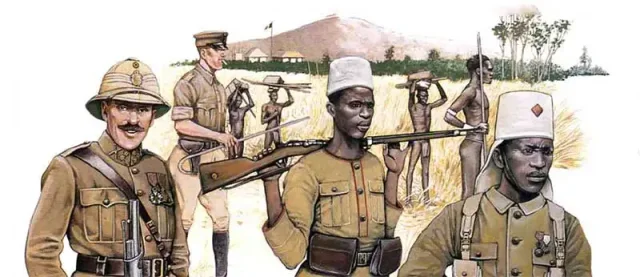
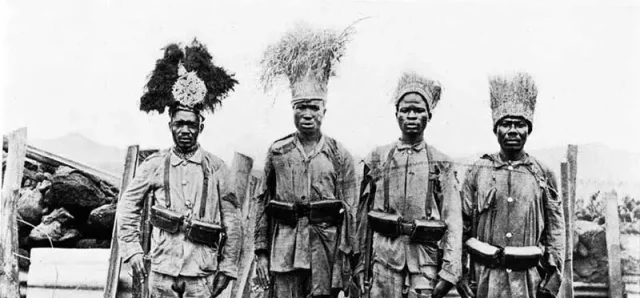
Military operations in central and southern Africa centered on the four German colonies, the largest in area and population being German East Africa (acquired 1885), the others Cameroon, Togoland and South-West Africa (all 1884).