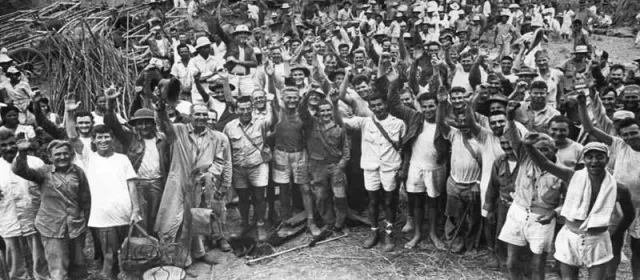
The largest concentration of American prisoners of war in the Far East in World War II, Cabanatuan comprised three camps near Cabu village, five to 15 miles (24km) northeast of Cabanatuan City in south central Luzon, Philippine Islands.
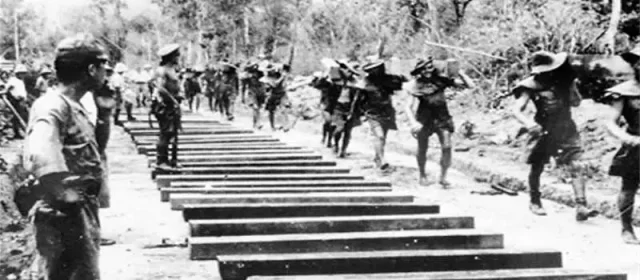
Built between 1942 and 1945 by Allied prisoners of war and native slave labor, and extending from Ban Pong, Thailand, to Thanbyuzayat, Burma, the Burma-Thailand railway was intended to supply Japanese forces fighting in Burma. As World War II progressed, American submarines and Allied aircraft had increasingly threatened Japanese cargo ships in ...
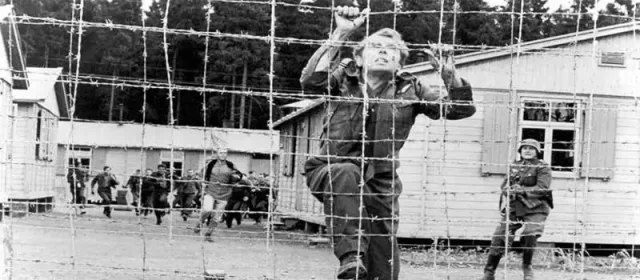
The Bullet Decree or "Kugel-Erlass" in German also known as "Aktion Kugel" was a secret decree (Geheimbefehl), issued by the German army. The Bullet Decree stated that escaped and recaptured POW’s were to be handed over to the Gestapo for execution, in direct disobeying of the provisions of the Third Geneva Convention.
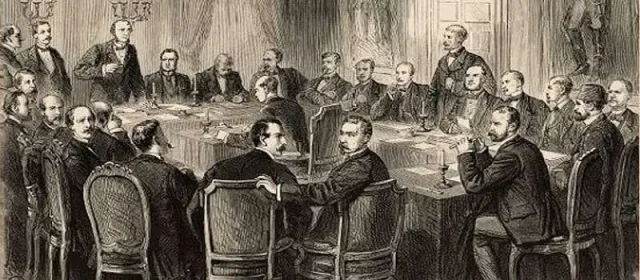
On the initiative of Czar Alexander II of Russia, the delegates of 15 European States met in Brussels on 27 July 1874 to examine the draft of an international agreement concerning the laws and customs of war submitted to them by the Russian Government.
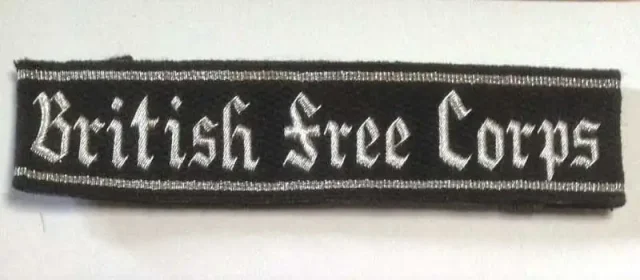
The British Free Corps (BFC - German: Britisches Freikorps) was a German army formation made up of British Commonwealth POWs who had been recruited to serve the Nazi war effort during World War II. The British traitor John Amery conceived of the idea early in the war, envisioning a unit that would be used largely for propaganda.
The British Army Aid Group was a para-military group for British and Allied forces in southern free China during World War II (from 1942 to 1945). The BAAG was classified in the British Army as an MI9 (British Directorate of Military Intelligence Section 9) unit that assisted prisoners of war to assist with escapes from Japanese Army's POW camps.
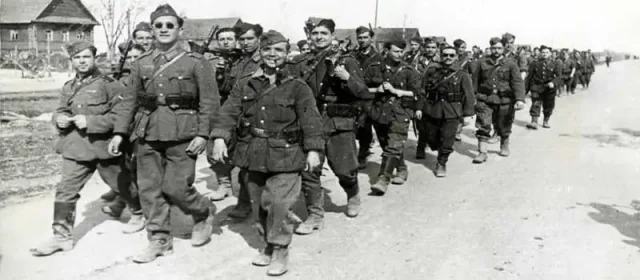
The Blue Division was a unit of Spanish soldiers that fought alongside German forces on the Eastern Front during World War II. Between 1941 and 1945, the Soviet Union captured just over 300 Spaniards on the Eastern Front.
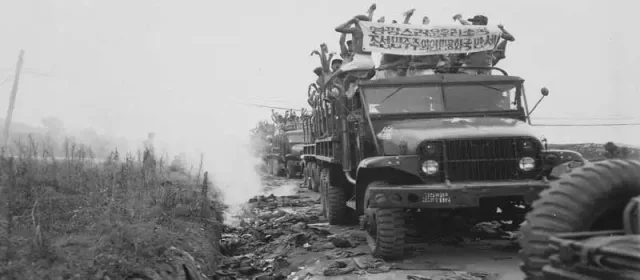
Little Switch and Big Switch were the code-names for the large exchange of prisoners of war during the Korean War in 1953. It was preceded by Operation Little Switch, which involved the exchange of sick and wounded prisoners.